

A smart kitchen is the cornerstone of a modern, efficient home. By incorporating connected devices, you can streamline cooking, cleaning, and storage while improving energy efficiency and sustainability. This comprehensive guide will walk you through the steps to set up your smart kitchen, ensuring that you maximize its functionality and convenience.
What Is a Smart Kitchen and Why Invest in One?
Defining a Smart Kitchen
A smart kitchen integrates technology to simplify everyday tasks. Devices are interconnected, and controlled via apps, voice commands, or automated programs, allowing you to manage cooking and cleaning with ease.
Why Build a Smart Kitchen?
- Convenience: Automate repetitive tasks, such as brewing coffee or monitoring groceries.
- Energy Savings: Devices often feature energy-efficient settings that reduce utility costs.
- Enhanced Functionality: Smart appliances adapt to your lifestyle, offering recipe suggestions, meal prep tips, and alerts.
Whether you’re a busy professional or a cooking enthusiast, a smart kitchen adds significant value to your daily life.
Essential Smart Kitchen Devices
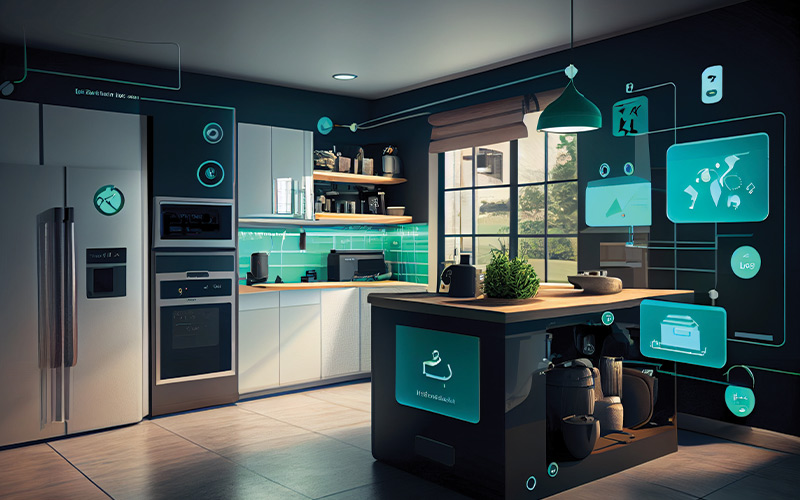
1. Smart Refrigerators
Smart refrigerators are the centerpiece of any connected kitchen. Equipped with features like inventory tracking, touchscreen displays, and voice assistants, they help reduce food waste and streamline meal prep. Some even connect to your smartphone, allowing you to check contents remotely while grocery shopping.
2. Smart Ovens and Stoves
Upgrade your cooking experience with smart ovens that preheat on command, adjust temperatures automatically, and offer guided cooking instructions. Voice integration makes multitasking easier.
3. Small Appliances with Big Impact
- Smart Coffee Makers: Start your morning brew from bed using a mobile app.
- Smart Blenders: Follow recipes and customize blending settings for smoothies or soups.
- Sous Vide Machines: Cook restaurant-quality meals with precise temperature control.
4. Smart Dishwashers
Control cleaning cycles remotely, schedule operations during off-peak hours, and monitor water usage for sustainability.
Planning the Infrastructure for Your Smart Kitchen
Wi-Fi Coverage Matters
Reliable connectivity is critical for a seamless smart kitchen experience. Invest in a mesh Wi-Fi system to ensure devices remain connected across the space.
Choosing a Smart Hub
A smart hub like Amazon Alexa, Google Home, or Apple HomeKit integrates your devices, enabling centralized control through apps or voice commands.
Power Management
Use smart plugs and power strips to automate appliance power and monitor energy consumption. Schedule devices to turn off automatically when not in use to conserve electricity.
Creating an Efficient Smart Kitchen Layout
Strategic Placement of Devices
Design your kitchen layout with accessibility in mind. Position smart appliances in proximity to frequently used areas, such as placing your coffee maker near the breakfast nook or your oven close to prep counters.
Incorporating Smart Storage
Optimize storage with pull-out shelves and pantry management apps. These solutions can track inventory and remind you to restock essentials.
Cable Organization
Keep your kitchen tidy and safe by using cable organizers and concealed outlets. This ensures an uncluttered look while protecting wires from damage.
Enhancing Cooking with Smart Technology
Automated Meal Preparation
With smart kitchen technology, cooking becomes less labor-intensive. Devices like connected ovens and recipe apps sync seamlessly, offering step-by-step instructions and precise ingredient measurements.
Monitoring Progress Remotely
Monitor your cooking from anywhere using apps that provide real-time updates on timers, temperatures, and completion alerts.
Voice-Assisted Commands
Voice assistants like Alexa and Google Assistant simplify multitasking in the kitchen. Start cooking, set timers, or even reorder groceries without lifting a finger.
Water and Energy Efficiency
Smart Lighting for Kitchens
Switch to smart LED bulbs with dimming features and motion detection. These energy-efficient lights not only reduce electricity usage but also enhance ambiance by adjusting brightness based on the time of day or activity.
Energy Tracking Apps
Many smart appliances offer built-in monitoring features or integrate with apps to track energy usage. Use these insights to identify and replace high-consumption devices or optimize their settings for better efficiency.
Budgeting for Your Smart Kitchen
Prioritize Essentials First
Start by investing in devices that deliver maximum convenience and efficiency, such as smart refrigerators or coffee makers. Gradually expand your collection as your budget allows.
Plan for Long-Term Savings
Although the upfront cost of smart appliances may seem high, the energy and water savings can significantly offset this over time. Look for models with ENERGY STAR certifications for guaranteed efficiency.
Shop Smart
Keep an eye out for seasonal sales, discounts, and refurbished options from reliable sources. Smart appliances purchased during promotions can save hundreds of dollars.
Maintenance and Troubleshooting
Regular Maintenance
Clean your smart devices regularly to ensure they function efficiently. For example, descale smart coffee makers and replace filters in smart refrigerators as recommended by the manufacturer.
Firmware Updates
Always update your devices to the latest firmware to access new features and ensure security. Most appliances offer automatic updates or notify you via their companion apps.
Addressing Connectivity Issues
Ensure your Wi-Fi network is strong and uninterrupted. If a device disconnects frequently, try relocating your router or adding a signal booster to maintain stability.
Maximizing the Benefits of a Smart Kitchen
Sustainability and Eco-Friendliness
Incorporate sustainable practices by using appliances that support eco-friendly modes. For instance, choose dishwashers with water-saving cycles or refrigerators with smart defrost systems to conserve resources.
Personalization
Use app-based controls to tailor device settings to your preferences. Adjust cooking temperatures, meal plans, or even the coffee brewing schedule to fit your daily routine.
Future-Proofing Your Kitchen
As technology advances, keep an eye out for new devices or upgrades that integrate with your existing setup. Modular appliances with upgradeable components ensure your kitchen stays relevant for years to come.
Conclusion
Setting up a smart kitchen goes beyond purchasing gadgets—it’s about creating a harmonious blend of convenience, sustainability, and style. By investing in the right technology, optimizing your layout, and focusing on energy and water efficiency, you can transform your kitchen into a futuristic space that saves time and resources. Whether you’re starting small or going for a complete overhaul, each step you take toward a smarter kitchen will enhance your home and lifestyle for years to come.